TL;DR: AI tools have made language learning faster and more personalized than any traditional method. In 2026, the right combination of free AI tools can replace expensive tutors and language apps — and accelerate your progress significantly. This guide covers exactly how to use AI to learn a new language in 2026.
How to use AI to learn a new language in 2026 is one of the most practical questions anyone serious about language learning can ask right now. The answer has changed dramatically in the last two years — and most language learners haven’t caught up yet.
An honest note on methodology: ChatGPT and Claude are part of my daily work; the other tools mentioned — Anki, Duolingo Max and Speechify — are covered from their official documentation and verified user reviews. AI-assisted language learning is generally faster and cheaper than traditional methods for most learners, and most of the core tools involved cost nothing.
Consistent daily practice matters more than almost anything else in language learning — and AI tools make that consistency significantly easier to maintain by removing the friction of finding practice partners, scheduling tutors, and waiting for feedback.
If you only care about the short answer: ChatGPT for conversation practice and grammar explanation, Claude for reading comprehension and writing feedback, and Anki with AI-generated cards for vocabulary — together they cover the full language learning workflow for free.
Quick Comparison: Best AI Tools for Language Learning
| Tool | Best For | Free Plan | Starting Price |
|---|---|---|---|
| ChatGPT | Conversation practice & grammar | ✅ Yes | $20/month |
| Claude | Writing feedback & reading | ✅ Yes | $20/month |
| Anki + AI | Vocabulary & spaced repetition | ✅ Yes | Free |
| Duolingo Max | Structured lessons with AI | ✅ Limited | $14/month |
| Speechify | Listening practice | ✅ Yes | $139/year |
Bottom line: The free plans of ChatGPT, Claude, and Anki together replace most of what expensive language apps and tutors provide — at no cost.
Should You Use AI for Language Learning?
- Are you learning a language without access to native speakers? → Yes, AI conversation practice is the best alternative
- Do you struggle with consistent daily practice? → Yes, AI removes the friction that causes people to quit
- Are you preparing for a language certification? → Yes, AI feedback on writing and speaking is invaluable
- Do you want to replace your expensive tutor? → Yes, AI can handle most of what tutors do at a fraction of the cost
- Are you a complete beginner with no foundation? → Start with structured lessons first, then add AI tools
Key Differences at a Glance
- Best AI tool for conversation practice: ChatGPT
- Best AI tool for writing feedback: Claude
- Best AI tool for vocabulary building: Anki + AI-generated cards
- Best AI tool for grammar explanation: ChatGPT
- Best AI tool for listening practice: Speechify or YouTube + AI summaries
- Best free AI language learning toolkit: ChatGPT + Claude + Anki
Step 1: Use ChatGPT for Conversation Practice
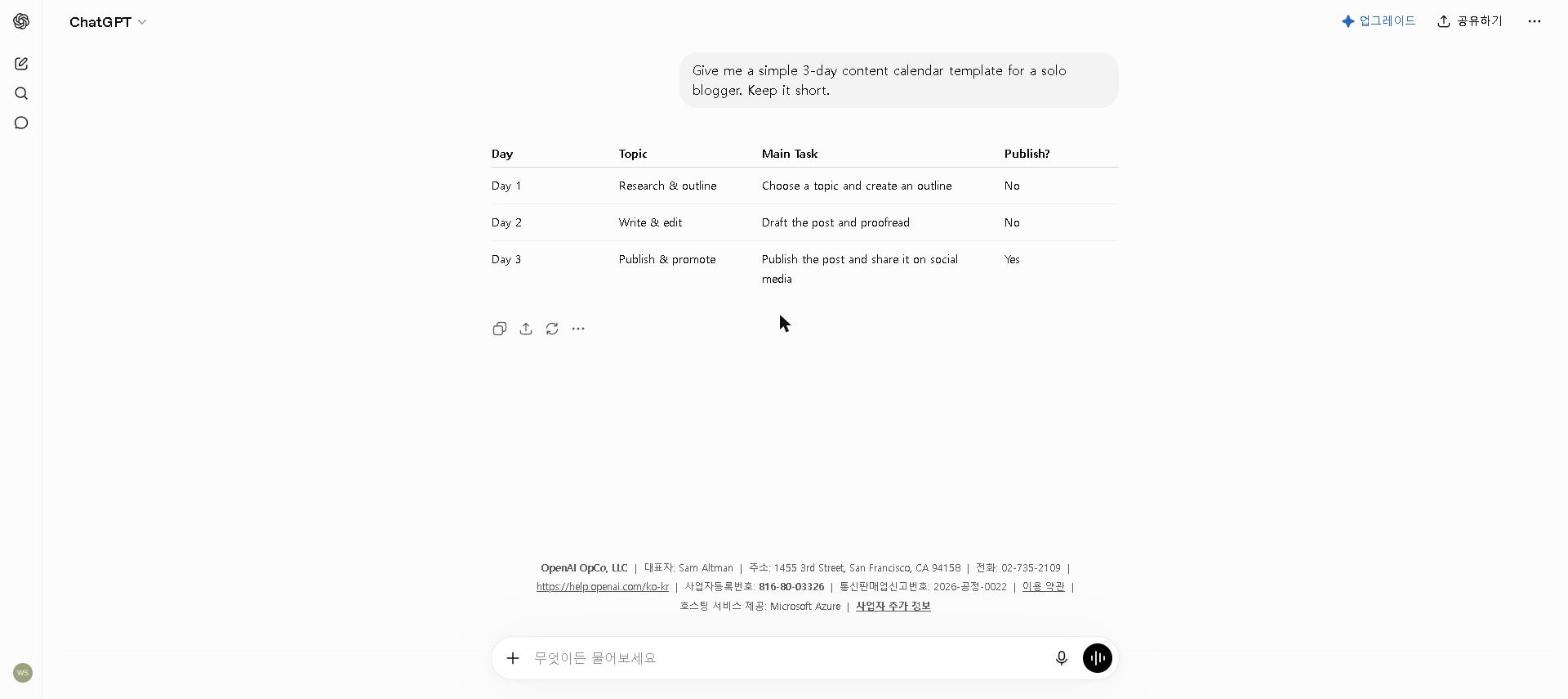
Why it works: The biggest barrier to language learning for most people isn’t grammar or vocabulary — it’s the lack of opportunity to actually practice speaking and writing with someone who will give honest feedback. ChatGPT eliminates that barrier entirely.
How to Set Up a Conversation Practice Session
A prompt that works well for conversation practice:
I’m learning [language] at [beginner/intermediate/advanced] level. Please have a conversation with me entirely in [language]. Correct my grammar and vocabulary mistakes after each of my messages, explain why they were wrong, and suggest a more natural way to say the same thing. Start with an easy topic and gradually increase complexity as we go.
Use ChatGPT to Explain Grammar Rules
When a grammar concept isn’t clicking, ChatGPT’s ability to explain it from multiple angles — with examples, analogies, and comparisons to your native language — is significantly more effective than textbook explanations.
Example prompt:
Explain the difference between [grammar concept] in [language]. Give me 5 example sentences showing each usage, explain the rule in simple terms, and then give me 3 practice sentences to complete.
For more on getting the most out of ChatGPT’s free plan, check out our How to Use ChatGPT for Free in 2026 guide.
Step 2: Use Claude for Writing Feedback
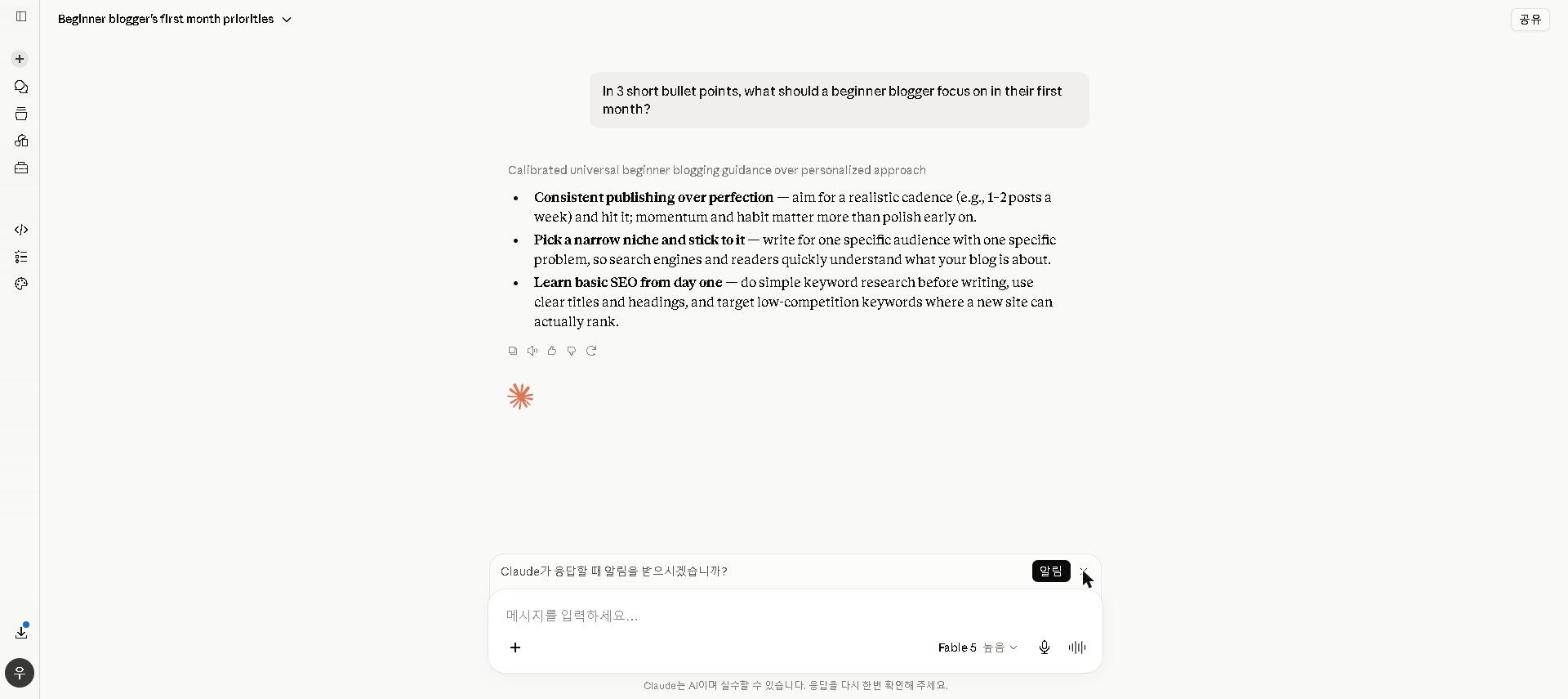
Why it works: Writing in a new language is one of the most effective ways to consolidate grammar and vocabulary — but only if you get quality feedback. Claude provides the most detailed, nuanced writing feedback of any AI tool available.
How to Get Writing Feedback from Claude
Example prompt:
I’m learning [language] at [level].
Please review the following text I wrote in [language] and:
1. Correct all grammar and vocabulary errors
2. Suggest more natural phrasing where relevant
3. Explain the 3 most important corrections in detail
4. Rate my overall level based on this sample
[Your text here]
For a full breakdown of Claude’s capabilities, check out our Claude AI Review 2026. For a comparison with ChatGPT for this use case, see our ChatGPT vs Claude 2026 guide.
Time saved: Waiting for tutor feedback on a writing sample: 24–48 hours. Getting Claude feedback: under 30 seconds.
Step 3: Use AI to Build Vocabulary with Anki
Why it works: Spaced repetition — reviewing vocabulary at scientifically optimized intervals — is the most effective method for long-term vocabulary retention. Anki is the gold standard for spaced repetition, and AI makes creating high-quality Anki cards dramatically faster.
How to Generate Anki Cards with ChatGPT
Instead of manually creating flashcards — which is time-consuming and often produces low-quality cards — use ChatGPT to generate them in bulk:
Example prompt:
Generate 20 Anki flashcard pairs for [topic/word list] in [language].
Format: Front: [target language word/phrase]
Back: [English translation + example sentence in target language + pronunciation guide]
ChatGPT can realistically generate dozens of well-formed vocabulary cards — complete with example sentences, pronunciation guides, and usage notes — in a single short session, compared to the several hours the same set would take to build manually one at a time.
Step 4: Use AI for Listening Practice
Why it works: Listening comprehension is often the hardest skill to develop without immersion — and AI tools now make high-quality listening practice accessible anywhere.
Best AI-Powered Listening Practice Methods
Method 1: YouTube + ChatGPT
Find YouTube videos in your target language → watch without subtitles → paste the transcript into ChatGPT → ask ChatGPT to explain unfamiliar vocabulary and grammar structures.
Method 2: Speechify
Speechify converts any text — articles, books, study materials — into natural-sounding audio in your target language. Use it to listen to content you’ve already read for a second pass with comprehension focus.
Method 3: ChatGPT Voice Mode
ChatGPT Plus users get access to advanced voice mode — allowing real-time spoken conversation practice in any language. For learners who need speaking practice without a human partner, this is the closest alternative to a real conversation partner available.
Step 5: Build a Daily AI Language Learning Routine
Consistency is the most important factor in language learning — and AI tools make consistency dramatically easier by removing the scheduling and friction that causes most learners to quit.
Recommended daily routine (30 minutes):
10 minutes: Anki vocabulary review
(AI-generated cards)
10 minutes: ChatGPT conversation practice
10 minutes: Claude writing feedback
(submit one short paragraph)
This 30-minute routine, done consistently, covers vocabulary retention, speaking/writing production, and grammar feedback — the three most important components of language acquisition.
Who This Is NOT For
Skip AI language learning tools if you:
- Are a complete beginner with no foundation in the language — start with structured lessons (Duolingo, a textbook, or a course) before adding AI conversation practice
- Need official pronunciation assessment — AI tools can describe pronunciation errors but can’t yet provide the same feedback as a trained phonetics instructor
- Are learning a very low-resource language — AI tools perform best for major world languages (Spanish, French, Mandarin, Japanese, German, Korean) and may have limited capability for less common languages
- Prefer fully structured, curriculum-based learning — AI tools work best as supplements to structured study, not replacements for it
AI Language Learning vs Traditional Methods
| Method | Cost | Flexibility | Feedback Speed | Effectiveness |
|---|---|---|---|---|
| AI tools (ChatGPT + Claude) | Free | ⭐⭐⭐⭐⭐ | Instant | ⭐⭐⭐⭐ |
| Human tutor | $30–80/hour | ⭐⭐⭐ | 24–48 hours | ⭐⭐⭐⭐⭐ |
| Language apps (Duolingo) | Free / $14/month | ⭐⭐⭐⭐ | Instant | ⭐⭐⭐ |
| Language classes | $200–500/course | ⭐⭐ | 1 week | ⭐⭐⭐⭐ |
The honest conclusion: AI tools don’t fully replace human tutors — particularly for pronunciation coaching and cultural nuance. But they cover much of what tutors provide at a fraction of the cost, and they’re available 24/7 without scheduling.
Frequently Asked Questions
Can AI really teach you a language?
AI tools can dramatically accelerate language learning — but they work best as supplements to structured study, not standalone replacements. The combination of AI conversation practice, writing feedback, and AI-generated vocabulary cards covers most of what language learners need, but human interaction and cultural immersion remain valuable for reaching advanced levels.
Which AI tool is best for language learning?
ChatGPT is the most versatile — handling conversation practice, grammar explanation, and vocabulary generation. Claude is better for detailed writing feedback. Together, they cover the full language learning workflow. For structured lessons, Duolingo Max’s AI features are worth exploring.
Is AI language learning as effective as a human tutor?
For grammar explanation, writing feedback, and conversation practice, AI tools now match or exceed what most tutors provide at entry to intermediate levels. At advanced levels, human tutors add value that AI can’t yet replicate — particularly for pronunciation, cultural context, and nuanced communication.
How long does it take to learn a language with AI?
The timeline depends on the language and your starting level — the same as traditional methods. What AI changes is the efficiency: consistent daily practice with AI tools accelerates progress by removing the friction that causes most learners to quit.
Final Thoughts
AI has fundamentally changed what’s possible in language learning in 2026. The combination of ChatGPT for conversation practice, Claude for writing feedback, and Anki for vocabulary retention creates a learning system that’s more accessible, more flexible, and more affordable than anything previously available.
Start with ChatGPT’s free plan for conversation practice — set up a daily 10-minute session and run it consistently for two weeks. The progress you make will show you exactly where to add the other tools.
Have you used AI tools for language learning? Share your experience in the comments below!
Last updated: September 2026
Written by Ian Sung — IT professional working in automation, scripting and workflow tooling. ChatGPT, Claude and Google Gemini are part of my daily work; every other tool covered here is assessed from a free-plan check, official documentation and verified user reviews, and each review says which applies.